The psychology of gambling in casinos is deeply rooted in the human attraction to risk and reward. People are naturally drawn to opportunities that promise high rewards, especially when there is an element of chance involved. The thrill of placing a bet can trigger a rush of adrenaline, resulting in a heightened sense of excitement and euphoria when wins occur. This feeling often outweighs the sobering reality of potential losses, leading many to chase that elusive high. One effective way to manage gambling habits responsibly includes checking resources like Gamstop 2026 to understand better how to stay in control.
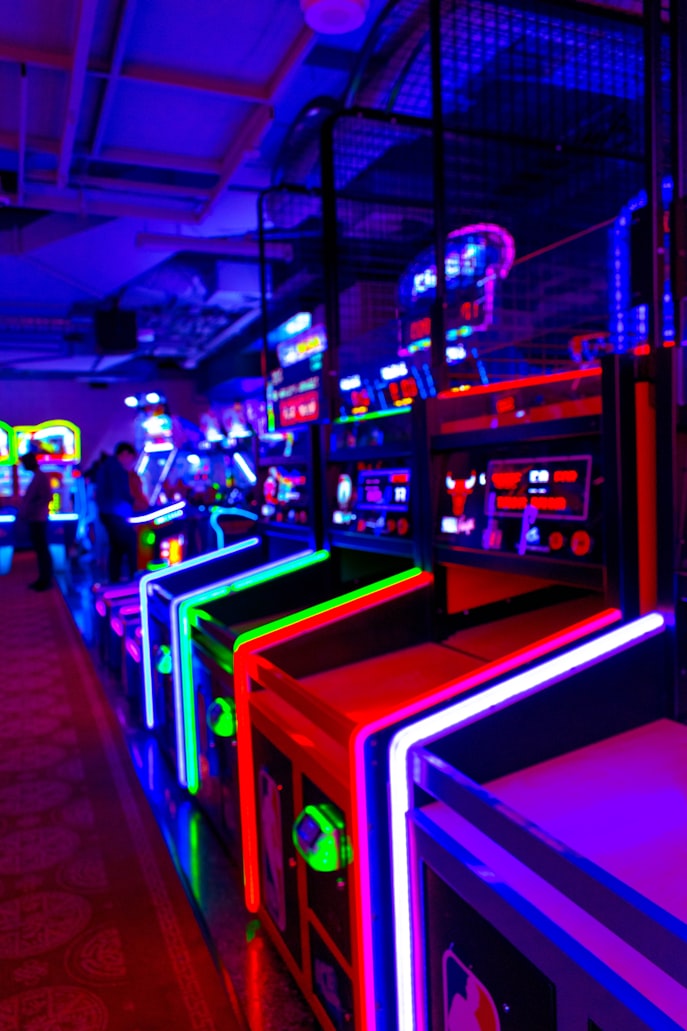
Moreover, the unpredictability of outcomes adds to the excitement. The possibility of hitting a jackpot or winning big can create a powerful motivation for gamblers, often overshadowing the potential consequences. Casinos are designed to amplify this effect, with flashing lights, captivating sounds, and an ambiance that encourages players to immerse themselves in the experience, reinforcing their desire to continue gambling.
Cognitive biases significantly influence how gamblers perceive their chances of winning. One such bias is known as the “illusion of control,” where individuals believe that they can influence the outcome of a game of chance. Gamblers may think that their decisions, such as choosing when to place a bet or how much to wager, can affect the results, despite the inherent randomness of casino games.
Another common bias is the “gambler’s fallacy,” which leads players to believe that past outcomes affect future chances. For instance, after a series of losses, a gambler might feel that they are “due” for a win, prompting them to bet even more. These biases create a distorted perception of reality, making it difficult for individuals to recognize the true odds of their gambling activities.
The environment in which gambling occurs plays a crucial role in influencing behavior. Casinos are meticulously designed to create a specific atmosphere that encourages extended play. This includes factors such as comfortable seating, free drinks, and a lack of clocks, all of which can lead to a disconnection from time and reality. As gamblers become engrossed in the environment, they may lose track of their spending and time, leading to increased gambling.
Social aspects also contribute significantly to gambling behavior. Many individuals find enjoyment in the social interactions that occur within a casino setting. Whether it’s sharing a table with friends or engaging with strangers, these social dynamics can enhance the overall experience, making it more appealing to return for additional gaming sessions.
Gambling can lead to addiction for some individuals, creating a compulsive cycle that is challenging to break. The neurological pathways related to reward and pleasure are activated during gambling, similar to how substances like drugs and alcohol affect the brain. Over time, individuals may develop a tolerance, requiring larger bets or longer playing times to achieve the same euphoric sensations.
Compulsive gambling often leads to significant negative consequences, including financial difficulties and strained relationships. Understanding the psychological factors that contribute to gambling addiction is vital for both prevention and treatment. It’s crucial for individuals to recognize the warning signs and seek support if they find themselves unable to control their gambling habits.

As casinos continue to thrive, raising awareness about responsible gambling practices is essential. Individuals must educate themselves about the risks involved and recognize the importance of setting limits. Effective strategies include establishing a budget, using time limits, and being mindful of one’s emotional state while gambling. This proactive approach can help mitigate the psychological traps that can lead to compulsive gambling behavior.
Moreover, community resources and educational programs can provide support for those affected by gambling addiction. By fostering an understanding of the psychological elements behind gambling, people can make informed decisions and balance their enjoyment of the game with responsible practices. Engaging in open conversations about gambling and its impacts can further encourage a culture of awareness and responsibility within communities.